Are Pancakes Healthy? Calories, Ingredients, Risks, and Better Alternatives

What Are Pancakes Made Of? (Ingredients Breakdown)
Pancakes are a simple and widely consumed breakfast food, but their nutritional impact depends entirely on the ingredients used. While traditional pancakes may seem harmless, their composition can significantly affect metabolism, blood sugar levels, and overall health.

Core Ingredients in Traditional Pancakes
Most classic pancake recipes include the following basic components:
Refined flour (white flour)
The primary ingredient in most pancakes. It provides structure but is low in fiber and digests quickly, leading to rapid blood sugar spikes.
Adds moisture and contributes small amounts of protein, fat, and lactose (natural sugar).
Provide protein, structure, and essential nutrients. Eggs improve the overall nutritional profile but are often outweighed by high carbohydrate content.
Sugar
Added to enhance taste. This increases the glycemic load and contributes to rapid energy spikes followed by crashes.
Baking powder
A leavening agent that helps pancakes rise. Generally safe, but processed chemical additives may raise concerns in excessive consumption.
Butter or oil
Adds fat and flavor. While it improves taste and texture, it also increases calorie density.
Nutritional Insight
Although pancakes contain some beneficial components (like eggs and milk), the dominant ingredient is usually refined carbohydrates, which are rapidly absorbed by the body.
This leads to:
Quick energy release
Short-lived satiety
Increased hunger shortly after eating
Ingredient Quality Matters
Not all pancakes are created equal. The health impact varies depending on ingredient choices:
Whole grain flour vs refined flour
Natural sweeteners vs added sugar
Healthy fats vs processed oils
Even small changes can significantly alter how pancakes affect the body.
Hidden Additives in Store-Bought Pancakes
Commercial pancake mixes and ready-made pancakes often include:
Preservatives
Artificial flavors
Stabilizers
Added sugars and syrups
These ingredients can:
Increase calorie load
Reduce nutritional value
Negatively impact metabolic health
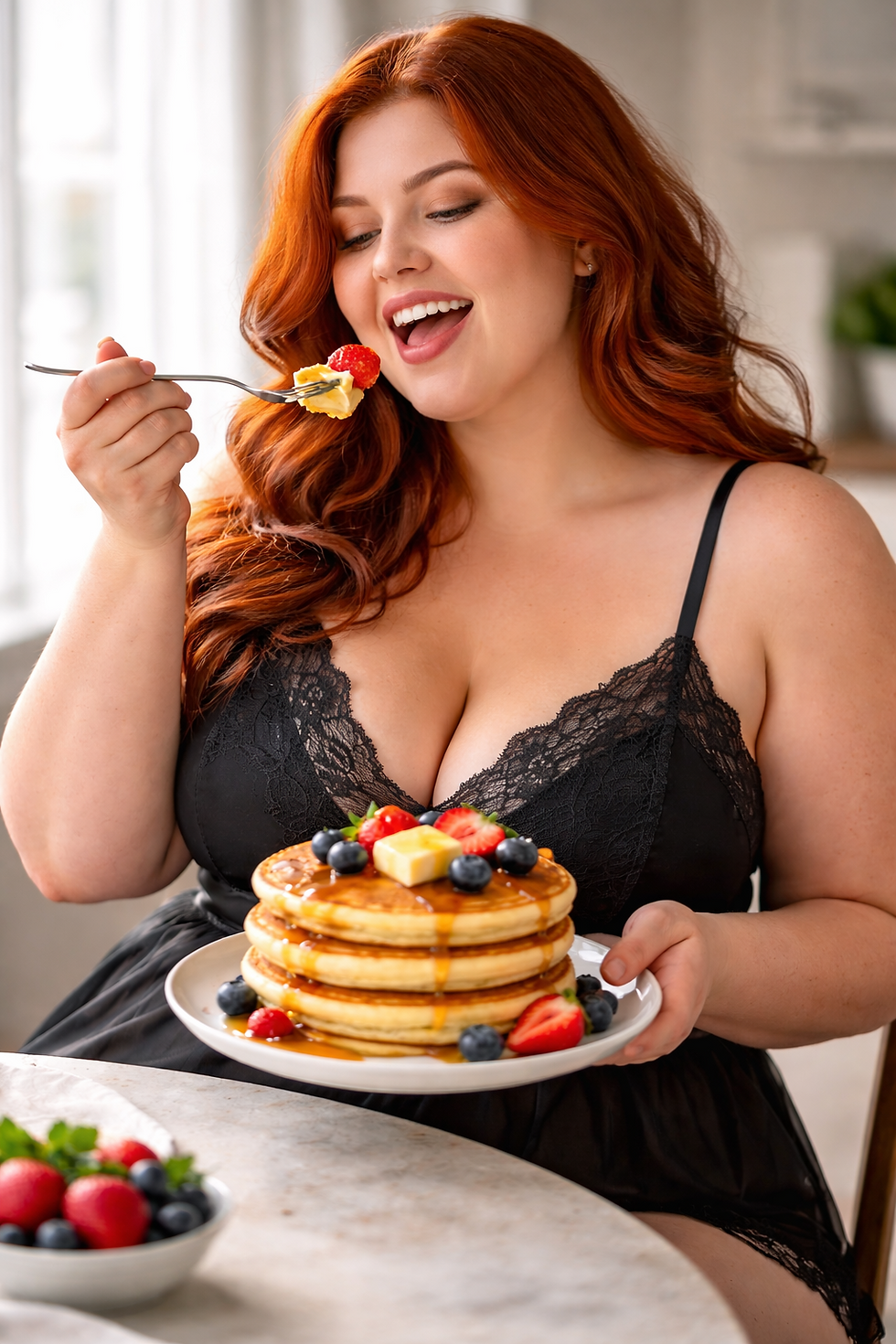
Pancake Nutrition Facts (Calories, Carbs, Protein, Fat) – Table
Understanding the nutritional profile of pancakes is essential to evaluate whether they are healthy.
Below is a detailed breakdown of a typical serving of classic pancakes (2–3 medium pancakes without toppings):
Nutrient | Amount (Approx.) | Health Impact |
Calories | 250 – 350 kcal | Moderate to high depending on ingredients |
Carbohydrates | 30 – 50 g | High; mainly from refined flour |
Protein | 6 – 10 g | Moderate; mainly from eggs and milk |
Fat | 8 – 15 g | Varies based on butter/oil used |
Sugar | 5 – 15 g | Can increase significantly with toppings |
Fiber | 1 – 3 g | Low; leads to reduced satiety |
Glycemic Index | High | Causes rapid blood sugar spikes |
What This Means for Your Body
High carbohydrates + low fiber
Leads to quick digestion and blood sugar spikes
Moderate protein
Helps slightly with satiety but is often insufficient
Added sugars (especially with syrup)
Significantly increase calorie intake and metabolic load
With Common Toppings (Reality Check)
Most people do not eat pancakes plain. When toppings are added:
Syrup
Chocolate
Cream
Butter
Calories can easily reach:
500 – 800+ kcal per serving
This transforms pancakes from a moderate meal into a high-calorie, high-sugar food.
Practical Insight
Pancakes are:
Energy-dense
Quickly digested
Not very filling long-term
This combination can lead to:
Overeating
Energy crashes
Increased calorie intake throughout the day
Key Clinical Insight
From a metabolic perspective, traditional pancakes behave similarly to other refined carbohydrate foods:
Fast spike → fast drop → increased hunger

Cost of Pancakes (Homemade vs Store-Bought vs Restaurant – US & EU)
The cost of pancakes varies depending on whether they are prepared at home, purchased as a ready-made product, or consumed in a restaurant setting. Understanding these differences is important because cost often influences dietary habits and frequency of consumption.
Average Cost Comparison (US & EU)
Type | USA (USD) | Europe (EUR) | Description |
Homemade pancakes | $1 – $3 per serving | €1 – €2.5 per serving | Made from basic ingredients like flour, eggs, and milk |
Store-bought pancake mix | $2 – $6 per box | €2 – €5 per box | Processed mix, often includes additives and sugar |
Frozen pancakes | $4 – $8 per pack | €3 – €7 per pack | Ready-to-eat, convenient but less nutritious |
Restaurant pancakes | $8 – $18 per serving | €6 – €15 per serving | Often served with syrup, butter, and toppings |
Cost vs Nutritional Value
Lower cost does not always mean lower quality, but there are clear patterns:
Homemade pancakes are the most cost-effective and allow full control over ingredients
Store-bought and frozen options are convenient but often include added sugars and preservatives
Restaurant pancakes are the most expensive and typically the highest in calories
Hidden Costs
Beyond the direct price, there are indirect considerations:
High-calorie meals may contribute to long-term health costs
Frequent consumption of processed foods can impact metabolic health
Eating out regularly increases both financial and caloric intake
Practical Insight
From both a financial and nutritional perspective:
Homemade pancakes offer the best balance of cost and control
Restaurant pancakes are best considered occasional meals rather than daily options
Pancakes vs Other Breakfast Foods (Oatmeal, Eggs, Toast) – Table
Comparing pancakes to other common breakfast options helps clarify their nutritional position.
Nutritional Comparison
Food | Calories | Carbohydrates | Protein | Fiber | Satiety Level | Blood Sugar Impact |
Pancakes (classic) | Medium–High | High | Moderate | Low | Low–Moderate | High |
Oatmeal | Medium | Moderate | Moderate | High | High | Low–Moderate |
Eggs | Low–Medium | Very Low | High | None | High | Very Low |
Toast (white bread) | Medium | High | Low | Low | Low | High |
Whole grain toast | Medium | Moderate | Low | Moderate | Moderate | Moderate |
Key Differences
Pancakes and white toast behave similarly in the body due to high refined carbohydrate content
Oatmeal provides sustained energy because of its fiber content
Eggs offer high protein and minimal impact on blood sugar
Satiety and Hunger Control
Pancakes: shorter satiety, hunger returns faster
Oatmeal: longer satiety due to fiber
Eggs: strong satiety due to protein
Blood Sugar Stability
Pancakes: rapid increase followed by a drop
Oatmeal: gradual increase and stable levels
Eggs: minimal effect on blood sugar
Practical Conclusion
Compared to other breakfast options, pancakes are:
Less filling
More likely to cause blood sugar fluctuations
More dependent on modifications to become a balanced meal
How Pancakes Affect Your Body (Blood Sugar, Energy, Metabolism)
Pancakes may feel like a comforting, energy-boosting breakfast, but their effects on the body are short-lived and metabolically complex—especially when made with refined flour and sugar.
Blood Sugar Response
Traditional pancakes are high glycemic foods, meaning they are rapidly broken down into glucose.
What happens after eating pancakes:
Rapid glucose absorption → blood sugar rises quickly
Insulin spike → body releases insulin to manage glucose
Fast drop in blood sugar → energy crash occurs
This cycle is often referred to as: “Spike and crash” effect
Energy Levels
At first, pancakes provide:
Quick energy
Temporary alertness
However, within 1–2 hours:
Energy drops
Fatigue increases
Hunger returns
This makes pancakes a poor choice for sustained energy, especially compared to high-fiber or high-protein meals.
Impact on Metabolism
Frequent consumption of high-refined carbohydrate foods like pancakes can:
Promote fat storage (especially with excess calories)
Increase insulin resistance over time
Disrupt appetite regulation
When combined with sugary toppings, the metabolic load becomes even higher.
Hormonal Effects (Hunger & Satiety)
Pancakes can negatively affect hunger hormones:
Low fiber → reduced satiety
Moderate protein → not enough to keep you full
High sugar → increased cravings later
This leads to:
Increased snacking
Higher daily calorie intake
Special Consideration: With Syrup
Adding syrup dramatically changes the metabolic response:
Sugar content increases significantly
Blood sugar spikes become more intense
Energy crashes become more noticeable
Practical Insight
Compared to balanced meals (e.g., eggs, oats, protein-rich foods), pancakes:
Provide faster but shorter energy
Increase likelihood of midday fatigue
May contribute to overeating
Key Takeaway
Pancakes are not inherently harmful, but their typical composition leads to:
Rapid energy → rapid crash → increased hunger
Are Pancakes Healthy for Daily Consumption?
The question “Are pancakes healthy?” depends largely on frequency, portion size, and ingredients.
Short Answer
Occasional consumption: acceptable Daily consumption: not ideal (in traditional form)
When Pancakes Are NOT Healthy
Daily consumption of traditional pancakes can lead to:
Excess calorie intake
Repeated blood sugar spikes
Increased risk of weight gain
Reduced dietary balance
This is especially true if pancakes are consumed with:
Syrup
Butter
Sweet toppings
When Pancakes Can Be Part of a Healthy Diet
Pancakes can be included in a balanced diet if:
Portion sizes are controlled
Healthier ingredients are used
Protein and fiber are added
Examples:
Whole grain pancakes
Protein pancakes
Reduced sugar recipes
Frequency Matters
Occasional (1–2 times per week): generally fine
Frequent (daily): may negatively impact metabolic health
Who Should Be More Careful?
Certain individuals should limit pancake consumption:
People with diabetes or insulin resistance
Individuals trying to lose weight
Those with high sugar intake already
Balanced Meal Approach
To make pancakes healthier:
Pair with protein (eggs, yogurt)
Add fiber (fruit, oats)
Reduce added sugar
This helps stabilize blood sugar and improve satiety.
Key Insight
Pancakes are not “bad” foods, but they are:
Nutritionally incomplete when eaten alone
Practical Conclusion
Pancakes can fit into a healthy lifestyle, but only if:
They are not consumed daily in their traditional form
Their nutritional profile is improved
Hidden Risks of Pancakes (Sugar, Refined Flour, Additives)
Pancakes are often perceived as a simple and harmless breakfast, but their typical composition carries several hidden risks, especially when consumed frequently or in large portions.
Refined Flour (White Flour)
The main ingredient in traditional pancakes is refined flour, which has been stripped of fiber and nutrients.
Risks include:
Rapid digestion and absorption
Blood sugar spikes
Low satiety
This makes pancakes metabolically similar to other refined carbohydrate foods.
Added Sugar
Even before toppings are added, many pancake recipes include sugar. When combined with syrup or sweet toppings, the total sugar load becomes significant.
Potential effects:
Increased calorie intake
Blood sugar instability
Higher risk of weight gain over time
High Glycemic Load
The combination of refined flour and sugar creates a high glycemic load, which can:
Trigger insulin spikes
Promote fat storage
Increase hunger shortly after eating
Additives in Processed Pancakes
Store-bought mixes and ready-made pancakes often contain:
Preservatives
Artificial flavors
Emulsifiers
Stabilizers
These ingredients are generally safe in regulated amounts but may reduce overall nutritional quality.
Low Fiber Content
Traditional pancakes are low in fiber, which leads to:
Poor satiety
Faster digestion
Increased likelihood of overeating
Excess Calories from Toppings
The most significant risk often comes from toppings rather than the pancakes themselves.
Common additions:
Syrup
Butter
Chocolate spreads
Whipped cream
These can double or even triple the calorie content of the meal.
Key Insight
The main issue with pancakes is not a single ingredient, but the combination of refined carbohydrates, sugar, and low fiber.
This combination creates a pattern of:
Quick energy
Rapid decline
Increased hunger
Are Pancakes Bad for Weight Loss or Dieting?
Pancakes are not inherently incompatible with weight loss, but their traditional form makes them less suitable for calorie-controlled diets.
Why Pancakes Can Work Against Weight Loss
Several factors make pancakes challenging in a dieting context:
High calorie density when combined with toppings
Low satiety compared to protein-rich foods
Rapid digestion leading to hunger
This can result in:
Increased overall calorie intake
Difficulty maintaining a calorie deficit
Portion Size Matters
A small serving of pancakes may fit into a weight loss plan, but:
Large portions quickly exceed calorie needs
Restaurant servings are often oversized
Macronutrient Imbalance
Traditional pancakes are:
High in carbohydrates
Moderate in fat
Low in protein
This imbalance can:
Reduce satiety
Increase cravings
Make adherence to a diet more difficult
When Pancakes Can Fit into a Diet
Pancakes can be included in a weight loss plan if:
Portion sizes are controlled
Ingredients are modified
Protein and fiber are increased
Examples:
Using whole grain flour
Adding protein sources
Reducing sugar
Better Approach
Instead of eliminating pancakes completely, a more effective strategy is:
Improving their nutritional profile
Limiting frequency
Combining them with balanced foods
Key Practical Insight
Weight loss is influenced by total calorie intake over time. Pancakes can fit into a diet, but:
Frequent consumption in traditional form may slow progress
Improved versions can make them more diet-friendly
Healthier Pancake Alternatives (High-Protein, Low-Carb, Gluten-Free)
Traditional pancakes can be modified to become significantly healthier. By adjusting ingredients, it is possible to improve satiety, blood sugar control, and overall nutritional value.
High-Protein Pancakes
High-protein pancakes are designed to increase fullness and reduce blood sugar fluctuations.
Common ingredients:
Protein powder (whey or plant-based)
Eggs or egg whites
Greek yogurt
Benefits:
Improved satiety
Reduced hunger later in the day
Better support for muscle maintenance
Low-Carb Pancakes
Low-carb pancakes reduce carbohydrate content and are often used in weight management or low-carb diets.
Typical ingredients:
Almond flour
Coconut flour
Eggs
Benefits:
Lower blood sugar impact
Reduced insulin spikes
More stable energy levels
Gluten-Free Pancakes
Gluten-free options are suitable for individuals with gluten sensitivity or celiac disease.
Common alternatives:
Oat flour
Rice flour
Almond flour
Considerations:
Nutritional value varies depending on the flour used
Some gluten-free products may still be high in carbohydrates
Whole Grain Pancakes
Replacing refined flour with whole grain flour improves fiber content.
Examples:
Whole wheat flour
Oat flour
Benefits:
Slower digestion
Improved satiety
More stable blood sugar response
Comparison of Pancake Types
Type | Carbohydrates | Protein | Fiber | Blood Sugar Impact |
Traditional pancakes | High | Moderate | Low | High |
High-protein pancakes | Moderate | High | Moderate | Moderate |
Low-carb pancakes | Low | Moderate–High | Moderate | Low |
Whole grain pancakes | Moderate | Moderate | High | Moderate |
Practical Insight
The health impact of pancakes depends more on ingredient choices than the dish itself.
Small changes such as:
Replacing flour
Adding protein
Reducing sugar
can transform pancakes into a more balanced meal.
Pancakes for Special Diets (Diabetes, Keto, Fitness Diets)
Different dietary needs require different approaches to pancake consumption.
Pancakes and Diabetes
Traditional pancakes are not ideal for individuals with diabetes due to their high glycemic impact.
Risks:
Rapid blood sugar spikes
Difficulty maintaining glucose control
Better approach:
Use low-carb or high-fiber ingredients
Combine with protein to slow glucose absorption
Pancakes in Keto Diets
Standard pancakes are not compatible with ketogenic diets because they are high in carbohydrates.
Keto-friendly alternatives:
Almond flour pancakes
Coconut flour pancakes
These options:
Reduce carbohydrate intake
Help maintain ketosis
Pancakes for Fitness and Muscle Building
For active individuals, pancakes can be adapted to support performance and recovery.
Recommended modifications:
Add protein powder
Include eggs or yogurt
Use complex carbohydrates
Benefits:
Improved muscle recovery
Sustained energy
Pancakes for Weight Management
For individuals aiming to control weight:
Choose lower-calorie, higher-protein versions
Avoid high-sugar toppings
Control portion sizes
General Dietary Guidance
Diet Type | Recommendation |
Diabetes | Avoid traditional pancakes; choose low-carb or high-fiber versions |
Keto | Use almond or coconut flour alternatives |
Fitness | Increase protein content for better recovery |
Weight loss | Control portions and improve ingredient quality |
Key Insight
Pancakes are adaptable. Their compatibility with a diet depends entirely on how they are prepared.
Keywords
are pancakes healthy, pancake calories, pancake nutrition, healthy pancake alternatives, protein pancakes
Sources
Source | Link |
Harvard T.H. Chan School of Public Health | |
USDA FoodData Central | |
American Heart Association (AHA) | |
National Institutes of Health (NIH) |



Comments