Is Beef Tallow Good for You? Benefits, Risks and Scientific Facts
- Vet. Ebru ARIKAN

- 30 mars
- 11 min de lecture
What Is Beef Tallow and Why Is It Trending Again?
Beef tallow is a type of rendered animal fat made from beef, most commonly from the dense fat surrounding the kidneys and loins, known as suet. When this fat is slowly heated and purified, it transforms into a stable, shelf-friendly cooking fat that remains solid at room temperature and melts when heated. Historically, beef tallow was one of the most widely used fats in traditional cooking, especially before the rise of industrial vegetable oils in the 20th century.
For centuries, it served multiple purposes beyond cooking. It was used in soap making, candle production, skin care formulations, and even as a lubricant. In many cultures, it was a staple fat, valued for its long shelf life and resistance to spoilage. However, its popularity declined significantly as modern nutrition science began to emphasize the risks associated with high saturated fat intake, and vegetable oils such as soybean, sunflower, and canola oil became widely available and heavily marketed.

Today, beef tallow is experiencing a strong resurgence—but for very different reasons.
The renewed interest in beef tallow is largely driven by modern dietary trends and social media influence. Diet movements like keto, paleo, and carnivore diets promote animal-based fats as more “natural” and metabolically favorable compared to processed seed oils. At the same time, platforms like TikTok and Instagram have amplified claims that beef tallow is a “superfood,” sometimes suggesting it can improve everything from hormone balance to skin health.
Health Risks of Beef Tallow (What Science Says)
While beef tallow has gained popularity in recent years, the scientific consensus remains cautious—primarily due to its high saturated fat content. Understanding these risks is essential for evaluating whether it belongs in a regular diet.
High Saturated Fat and LDL Cholesterol
Beef tallow contains approximately 50% saturated fat, which is the key concern in modern nutrition science. Numerous studies have shown that diets high in saturated fat can:
Increase LDL cholesterol (low-density lipoprotein)
Promote the buildup of plaque in arteries
Contribute to atherosclerosis, a major risk factor for heart disease
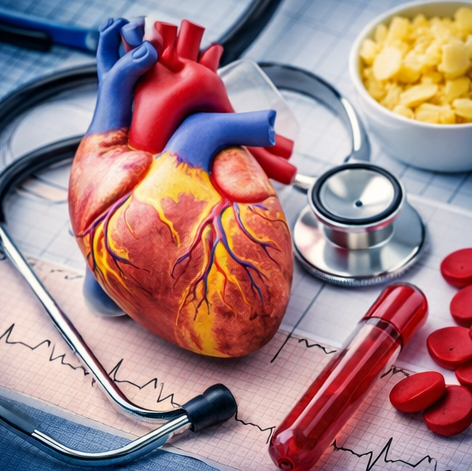
Elevated LDL cholesterol is strongly associated with an increased risk of cardiovascular events, including heart attacks and strokes.
Cardiovascular Disease Risk
Long-term consumption of high saturated fat diets has been linked to:
Coronary artery disease
Reduced arterial flexibility
Increased inflammation in blood vessels
Major health organizations, including the World Health Organization (WHO) and the American Heart Association (AHA), recommend limiting saturated fat intake to less than 10% of total daily calories—and ideally closer to 5–6% for individuals at risk.
Potential Impact on Inflammation
Although beef tallow itself is not directly inflammatory, excessive intake of saturated fats may:
Trigger low-grade systemic inflammation
Affect endothelial function (the inner lining of blood vessels)
Contribute to metabolic disturbances over time
Chronic inflammation is a known contributor to many diseases, including heart disease, diabetes, and obesity.
Caloric Density and Weight Gain
Beef tallow is extremely calorie-dense, providing over 100 calories per tablespoon. Regular consumption without calorie control can lead to:
Weight gain
Increased visceral fat
Higher risk of metabolic syndrome
Because fat is energy-rich and easy to overconsume, it can silently contribute to a caloric surplus.
Lipid Profile Imbalance
A diet high in beef tallow and other saturated fats may lead to:
Increased LDL cholesterol
Reduced HDL (in some individuals)
Higher triglyceride levels (depending on overall diet)
This imbalance is associated with a higher long-term risk of cardiovascular disease.

Beef Tallow and Heart Health: Good or Bad?
This is the most important question surrounding beef tallow—and the answer, based on current scientific evidence, is relatively clear.
The Core Mechanism
The relationship between beef tallow and heart health centers on one key factor:
Saturated fat → increased LDL cholesterol → increased cardiovascular risk
This pathway has been consistently supported by decades of epidemiological and clinical research.
What the Evidence Suggests
Diets high in saturated fats are associated with higher rates of heart disease
Replacing saturated fats with unsaturated fats (such as those in olive oil, nuts, and fish) has been shown to reduce cardiovascular risk
There is no strong evidence that beef tallow provides unique heart-protective benefits
While some modern debates question the strength of the saturated fat–heart disease link, the majority of large-scale studies and health authorities still support limiting intake.
Comparison with Heart-Healthy Fats
When compared to commonly recommended fats:
Olive oil: Rich in monounsaturated fats, associated with reduced heart disease risk
Fish oils: High in omega-3 fatty acids, beneficial for cardiovascular health
Nuts and seeds: Provide unsaturated fats and additional nutrients
Beef tallow, by contrast, contains significantly higher levels of saturated fat and lacks the same level of protective compounds.
Is Occasional Use Acceptable?
Yes, in most healthy individuals:
Small, occasional use is unlikely to cause harm
The overall dietary pattern matters more than a single ingredient
However, regular use as a primary cooking fat—especially in a diet already high in saturated fat—may increase long-term risk.
Who Should Be Especially Careful?
Certain individuals should limit or avoid frequent consumption of beef tallow:
Those with high cholesterol (hyperlipidemia)
Individuals with a history of heart disease
People with diabetes or metabolic syndrome
Anyone following a heart-protective diet

How Beef Tallow Is Made (Step-by-Step Process)
The process of making beef tallow is known as rendering, a traditional technique used to extract pure fat from animal tissue. This process removes moisture, proteins, and impurities, leaving behind a clean, stable fat that can be stored for long periods without refrigeration when properly prepared.
The quality of beef tallow depends heavily on the type of fat used and the rendering method. The most prized source is suet, which produces a cleaner, milder-tasting tallow compared to general body fat.
Step 1: Selecting the Right Fat
The process begins with choosing high-quality beef fat. Ideally, this comes from:
Grass-fed cattle (often marketed as nutritionally superior)
Suet (kidney fat), which is firmer and purer
Fresh, odor-free fat with minimal connective tissue
Lower-quality fat can result in a stronger smell and darker color, which may affect both flavor and usability.
Step 2: Trimming and Preparing
The fat is trimmed to remove:
Meat residues
Blood vessels
Connective tissue
It is then cut into small pieces or ground. Smaller pieces increase the surface area, allowing the fat to melt more efficiently and evenly during rendering.
Step 3: Slow Heating (Rendering)
The prepared fat is placed in a pot or slow cooker and heated at a low, controlled temperature. This step is crucial:
Too high heat can burn the fat and degrade its quality
Slow rendering allows the fat to melt gradually without oxidation
As the fat melts, it separates into:
Liquid fat (tallow)
Solid residues (cracklings)
Step 4: Straining and Filtering
Once fully melted, the liquid fat is carefully strained through a fine mesh or cheesecloth to remove impurities. This step ensures:
A clean, smooth texture
Longer shelf life
Better flavor stability
Some producers filter the fat multiple times for a more refined final product.
Step 5: Cooling and Storage
The strained liquid is poured into containers and allowed to cool. As it cools, it solidifies into a creamy, white or slightly yellow fat. Properly rendered tallow:
Has a mild, neutral smell
Remains stable at room temperature
Can last for months if stored in a cool, dark place
Refrigeration further extends shelf life and reduces the risk of oxidation.
Traditional vs Industrial Production
While traditional methods rely on slow cooking and manual filtering, industrial production uses:
Controlled heating systems
Mechanical filtration
Standardized quality control
Commercial tallow may also undergo additional refining, which can remove some flavor and minor nutrients but increases consistency and shelf stability.
Beef Tallow Nutrition Facts (What’s Inside?)
Beef tallow is almost entirely composed of fat, which makes it a highly energy-dense food. One tablespoon (about 14 grams) provides roughly 115–120 calories, almost all of which come from fat. While this may sound straightforward, the type of fat it contains is what determines its impact on health.
Fat Composition Breakdown
The nutritional profile of beef tallow is dominated by three main types of fatty acids:
Saturated fats (~50%)
These are the most controversial component. Saturated fats are known to increase LDL (low-density lipoprotein) cholesterol, which is associated with a higher risk of cardiovascular disease.
Monounsaturated fats (~40–45%)
This includes oleic acid, the same heart-friendly fat found in olive oil. However, in beef tallow, it is balanced by a high level of saturated fat.
Polyunsaturated fats (~3–5%)
These are present in small amounts and include essential fatty acids, but not in significant quantities.
Vitamins and Micronutrients
Beef tallow contains small amounts of fat-soluble vitamins:
Vitamin A – supports vision and immune function
Vitamin D – important for bone health and immune regulation
Vitamin E – acts as an antioxidant
Vitamin K – plays a role in blood clotting and bone metabolism
It may also contain trace levels of:
Choline (important for brain and liver function)
Conjugated Linoleic Acid (CLA) – a fatty acid studied for potential metabolic and anti-inflammatory effects
However, it is important to emphasize that beef tallow is not a rich or reliable source of these nutrients. Compared to whole foods like liver, fish, or vegetables, the micronutrient contribution of tallow is relatively limited.
Cholesterol Content
Like all animal fats, beef tallow contains dietary cholesterol. While dietary cholesterol is no longer considered as harmful as once thought, its combination with high saturated fat intake can still influence blood lipid profiles, especially in sensitive individuals.
Potential Health Benefits of Beef Tallow
Although beef tallow is often criticized for its high saturated fat content, it does have certain characteristics that can be considered beneficial—particularly when used in moderation and in appropriate contexts.
High Heat Stability
One of the most practical advantages of beef tallow is its high smoke point, typically around 200–215°C (400–420°F). This makes it suitable for:
Frying
Searing meats
Unlike some vegetable oils that degrade at high temperatures, beef tallow remains relatively stable, producing fewer oxidation byproducts during cooking.
Energy Density and Satiety
Because it is almost pure fat, beef tallow is a dense source of energy. This can be beneficial in:
High-calorie diets
Low-carb or ketogenic diets
Situations where sustained energy release is needed
Fat also contributes to satiety, meaning it can help people feel full for longer periods after eating.
Presence of Oleic Acid
Beef tallow contains a significant amount of oleic acid, a monounsaturated fat also found in olive oil. Oleic acid has been associated with:
Improved insulin sensitivity
Reduced inflammation (in some contexts)
Potential cardiovascular benefits
However, in beef tallow, these potential benefits are offset by the high saturated fat content.
Conjugated Linoleic Acid (CLA)
CLA is a naturally occurring fatty acid found in ruminant animal products. Some studies suggest it may:
Support fat metabolism
Have mild anti-inflammatory properties
Influence body composition
That said, the amount of CLA in typical dietary intake is relatively small, and its real-world impact remains inconclusive.
Fat-Soluble Vitamin Absorption
As a fat source, beef tallow can help the body absorb fat-soluble vitamins (A, D, E, K) from other foods. For example, adding fat to vegetables can improve the bioavailability of certain nutrients.
Traditional and Culinary Benefits
Beyond its nutritional profile, beef tallow has been valued historically for:
Enhancing flavor in cooking
Providing a rich texture to foods
Being a stable, long-lasting fat without refrigeration
These properties make it appealing in traditional diets and certain culinary applications.
Who Should Avoid Beef Tallow?
While occasional use may be acceptable for healthy individuals, certain groups should be more cautious or limit intake significantly.
People with High Cholesterol
Individuals with elevated LDL cholesterol or dyslipidemia are particularly sensitive to saturated fat intake. Regular consumption of beef tallow may:
Further increase LDL levels
Worsen lipid profile balance
Increase cardiovascular risk
Individuals with Heart Disease
Those with a history of:
Coronary artery disease
Heart attack
Atherosclerosis
should prioritize fats that support heart health, such as unsaturated oils. Beef tallow is generally not recommended as a primary fat source in these cases.
People with Diabetes or Insulin Resistance
In individuals with metabolic disorders:
High saturated fat intake may worsen insulin sensitivity
Combined with excess calories, it may accelerate metabolic complications
Balanced fat intake with emphasis on unsaturated fats is usually a safer approach.
Overweight or Obese Individuals
Because beef tallow is calorie-dense, frequent use can:
Make weight management more difficult
Contribute to further fat accumulation
Increase risk of metabolic syndrome
Reducing high-calorie fats is often a key strategy in weight control.
Those Following Heart-Healthy Diets
People adhering to dietary patterns such as:
Mediterranean diet
DASH diet
are typically advised to limit saturated fats and focus on:
Olive oil
Nuts
Fish
In these diets, beef tallow does not align with recommended fat sources.
FAQ
Is beef tallow good for you?
Beef tallow is not considered a health-promoting fat when consumed regularly. It contains a high percentage of saturated fat, which can increase LDL (bad) cholesterol levels and raise cardiovascular risk over time. However, occasional use in small amounts is generally acceptable for healthy individuals. The overall diet pattern matters more than a single ingredient.
Is beef tallow healthier than vegetable oils?
No, in most cases it is not. Scientific evidence shows that replacing saturated fats with unsaturated fats (like those in vegetable oils) can reduce the risk of heart disease. While beef tallow is more stable at high heat, it does not provide the same cardiovascular benefits as oils rich in unsaturated fats.
Does beef tallow raise cholesterol?
Yes, it can. Due to its high saturated fat content, beef tallow may increase LDL cholesterol levels, especially when consumed frequently. Elevated LDL cholesterol is associated with a higher risk of heart disease.
Can beef tallow be part of a healthy diet?
It can be included in moderation. Using small amounts occasionally, especially for high-heat cooking, is unlikely to cause harm in healthy individuals. However, it should not replace healthier fats like olive oil or fish-based fats in a balanced diet.
Is beef tallow better than butter?
Not significantly. Both beef tallow and butter are high in saturated fat and have similar effects on cholesterol levels. Their differences are relatively small from a health perspective, and both should be consumed in moderation.
Is beef tallow better than lard?
Lard generally has a slightly better fatty acid profile because it contains more monounsaturated fat and less saturated fat than beef tallow. However, both are still animal fats and should not be consumed in excess.
Can beef tallow help with weight loss?
Not directly. While it may increase satiety in some diets like keto, it is very calorie-dense. Overconsumption can easily lead to a calorie surplus and weight gain. Weight loss depends on overall calorie balance, not a specific fat source.
Is beef tallow safe for frying?
Yes, it is one of the more stable fats for high-heat cooking. Its high smoke point makes it suitable for frying and searing, as it resists breakdown better than some other oils.
Does beef tallow contain vitamins?
It contains small amounts of fat-soluble vitamins such as A, D, E, and K, but not in significant quantities. It should not be relied upon as a primary source of these nutrients.
Is beef tallow inflammatory?
Beef tallow itself is not directly inflammatory, but diets high in saturated fat may contribute to low-grade inflammation over time. The effect depends on overall dietary patterns and lifestyle.
Can people with heart disease eat beef tallow?
It is generally not recommended for individuals with heart disease or high cholesterol. These individuals are typically advised to limit saturated fat intake and prioritize unsaturated fats.
How often can you use beef tallow safely?
For most healthy people, occasional use is considered safe. Daily or excessive consumption is not recommended due to its saturated fat content.
Is beef tallow natural and therefore healthier?
Not necessarily. While beef tallow is a natural product, “natural” does not automatically mean healthier. Health effects depend on nutritional composition, not just the source.
Why is beef tallow becoming popular again?
Its popularity is driven by dietary trends like keto and carnivore diets, as well as social media claims about “natural fats.” However, many of these claims are not fully supported by scientific evidence.
What is the healthiest fat to use instead of beef tallow?
Fats rich in unsaturated fatty acids are generally considered healthier. These include olive oil, avocado oil, nuts, seeds, and fatty fish. These fats are associated with better cardiovascular outcomes.
Sources
Source | Link |
Cleveland Clinic – Beef Tallow for Cooking | |
Cleveland Clinic – Saturated Fat and Health Effects | |
UCLA Health – Seed Oils vs Beef Tallow | |
Harvard T.H. Chan School of Public Health – Beef Tallow vs Seed Oils | |
Mayo Clinic – What Is Beef Tallow? |