Homemade Rat Repeller: What Works, What Does Not, and Safe Ways to Keep Rats Away

What Is a Homemade Rat Repeller?
A homemade rat repeller refers to any DIY method or substance used to discourage rats from entering or staying in a specific area, using materials commonly found at home. These methods are typically preferred by homeowners looking for low-cost, chemical-free, or non-lethal alternatives to traditional pest control.
Unlike professional rodent control solutions, homemade rat repellents are generally based on:

How Homemade Rat Repellers Are Supposed to Work
The idea behind most DIY repellents is simple:
Rats rely heavily on their sense of smell
Strong or unfamiliar odors may cause discomfort
This discomfort may encourage them to avoid certain areas
However, it is important to understand that:
Repelling rats is not the same as eliminating them
Most homemade methods offer temporary deterrence, not permanent solutions
Rats are highly adaptable and may ignore weak or inconsistent deterrents
Homemade vs Professional Methods
Feature | Homemade Repellers | Professional Methods |
Cost | Low | Medium to High |
Effectiveness | Variable | High (when applied correctly) |
Safety | Depends on ingredients | Regulated and controlled |
Long-term solution | Usually No | Yes |

Homemade Rat Repeller Methods: What People Commonly Use
Method | How It Is Used | Claimed Effect | Evidence Level |
Peppermint Oil | Cotton balls soaked and placed in corners or entry points | Strong smell repels rats | Low |
Vinegar | Sprayed on surfaces or floors | Acidic odor deters rodents | Very Low |
Ammonia | Left in open containers in infested areas | Mimics predator urine smell | Low |
Mothballs | Placed in enclosed spaces | Toxic fumes repel rodents | Not Recommended (unsafe) |
Ultrasonic Devices | Plug-in electronic devices emitting high-frequency sound | Supposed to disturb rats | Low to Moderate (inconsistent) |
Garlic or Onion | Placed near entry points | Strong odor repels rats | Very Low |
Chili Powder / Cayenne Pepper | Sprinkled in pathways | Causes irritation | Low |
Used Cat Litter | Placed near suspected entry areas | Mimics predator presence | Very Low |
Clove Oil / Eucalyptus Oil | Similar to peppermint oil use | Strong scent deterrent | Low |
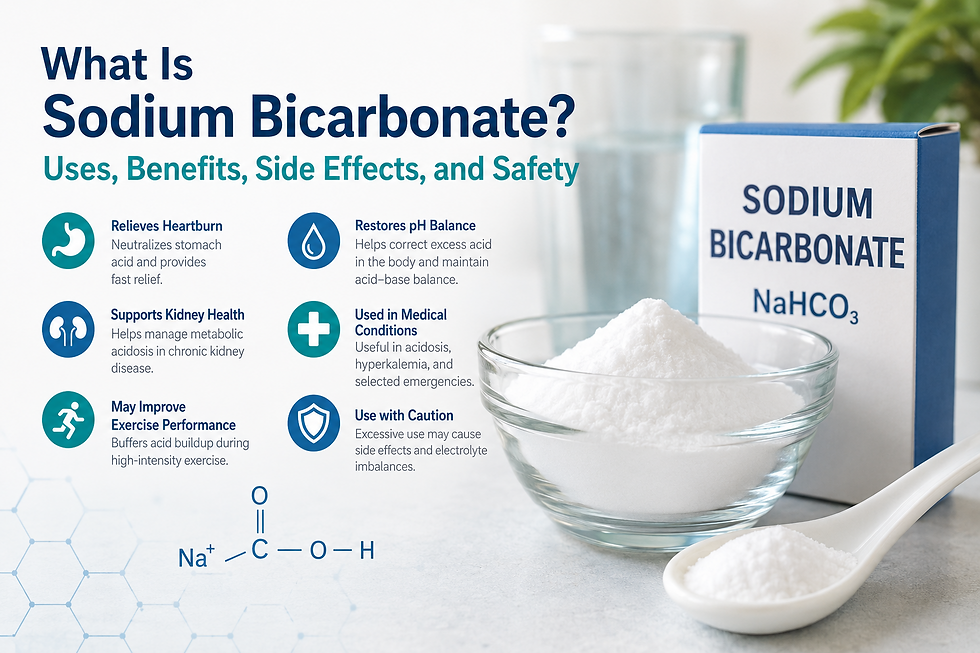
Baking Soda Mixtures | Mixed with bait | Intended to kill rats internally | Not Recommended (unreliable & inhumane) |
Important Observation
Most commonly used homemade rat repeller methods:
Are based on odor sensitivity assumptions
Lack strong scientific evidence
Provide short-term or inconsistent results
Critical Safety Note
Some widely shared DIY methods can be dangerous:
Mothballs contain toxic chemicals not intended for open use
Ammonia fumes can harm humans and pets
Improper mixtures may create health hazards indoors

What Actually Works: Evidence-Based Rat Repellent Methods
Homemade solutions alone are rarely sufficient. The most effective rat control strategies are evidence-based, practical, and preventive. These methods are widely recommended by public health and pest control authorities.
1. Sealing Entry Points (Most Important)
Rats can enter through extremely small openings:
As small as 1.5–2 cm gaps
Effective sealing includes:
Steel wool + sealant for holes
Metal mesh over vents
Repairing cracks in walls, floors, and foundations
Why it works:If rats cannot enter, they cannot infest. This is the most reliable long-term solution.
2. Removing Food and Water Sources
Rats are attracted by easy access to food and moisture.
Key actions:
Store food in sealed containers
Clean spills immediately
Do not leave pet food overnight
Fix leaks and eliminate standing water
Why it works:Without food and water, rats will relocate.
3. Proper Waste Management
Use tightly sealed trash bins
Empty garbage regularly
Keep outdoor waste areas clean
Why it works:Garbage is one of the main attractants for rodents.
4. Environmental Clean-Up
Remove clutter and hiding spots
Trim vegetation near walls
Keep storage areas organized
Why it works:Rats prefer hidden, undisturbed nesting areas.
5. Mechanical Traps (Safe and Effective)
Snap traps
Live traps (when used responsibly)
Placement is critical:
Along walls
Near entry points
In dark, sheltered areas
Why it works:Directly reduces population, unlike repellents.
6. Consistency and Combination Strategy
No single method is enough. The best results come from combining:
Prevention
Environmental control
Targeted trapping
Key Takeaway
Effective rat control is based on:
Prevention, not just repelling
Habitat modification
Consistent application

What Does Not Work: Common Myths About Homemade Rat Repellers
Many DIY rat repellent ideas are widely shared online but lack scientific support or fail in real-world conditions.
1. Strong Smells Alone Will Drive Rats Away
Examples:
Peppermint oil
Vinegar
Garlic
Reality:Rats may initially avoid strong smells, but:
They quickly adapt
They return once the smell fades
2. Ultrasonic Devices Are a Complete Solution
These devices claim to repel rodents using sound frequencies.
Reality:
Results are inconsistent
Rats can get used to the sound
Obstacles reduce effectiveness
They may help slightly, but cannot solve infestations alone.
3. Mothballs Are a Safe Repellent
This is one of the most dangerous myths.
Reality:
Mothballs release toxic chemicals
Not designed for open indoor use
Can harm humans, children, and pets
They are not a safe or recommended solution.
4. DIY Poison Mixtures (e.g., Baking Soda) Work Reliably
These are often promoted online.
Reality:
No consistent scientific evidence
Often ineffective
May cause unnecessary suffering
5. Predator Smells (e.g., Cat Litter) Will Keep Rats Away
The idea is to mimic natural enemies.
Reality:
Works only in very limited scenarios
Rats in urban environments often ignore these cues
6. One-Time Treatment Is Enough
Many people expect quick results.
Reality:
Rat control requires ongoing effort
Without prevention, infestation returns
Final Reality Check
Most homemade rat repellers fail because:
They rely on temporary discomfort
They do not remove the root cause
Rats are highly adaptable
Natural Ingredients Used in Homemade Rat Repellers
Homemade rat repellers often rely on natural substances with strong odors or irritating properties. While these ingredients may create temporary discomfort for rodents, their effectiveness varies and is usually limited without proper prevention strategies.
Common Natural Ingredients
Ingredient | How It Is Used | Intended Effect | Effectiveness |
Peppermint Oil | Soaked cotton balls placed near entry points | Strong scent disrupts rat behavior | Low |
Eucalyptus Oil | Similar use to peppermint oil | Sharp odor may deter rodents | Low |
Clove Oil | Applied on surfaces or cotton pads | Intense smell creates discomfort | Low |
Vinegar | Sprayed on surfaces or floors | Acidic smell may repel temporarily | Very Low |
Ammonia-like Substitutes | Used in open containers | Mimics predator urine smell | Low (with safety concerns) |
Chili Powder / Cayenne Pepper | Sprinkled in pathways | Causes irritation to nose and eyes | Low |
Garlic / Onion | Placed in affected areas | Strong odor may deter rats | Very Low |
Black Pepper | Scattered in corners | Irritates respiratory system | Low |
How These Ingredients Work
Most natural repellents function through:
Olfactory irritation (smell-based deterrence)
Sensory discomfort (irritation to nose or eyes)
However, rats are:
Highly adaptable
Capable of tolerating repeated exposure
Key Limitation
Natural ingredients:
Lose potency quickly
Require frequent reapplication
Do not eliminate infestations
Practical Use Case
They may be useful for:
Temporary deterrence in low-risk areas
Supplementing other control methods
But they should never be relied on as a primary solution.
Are Essential Oils Effective Against Rats?
Essential oils are among the most popular DIY rat repellent options, especially peppermint oil. However, their real-world effectiveness is often misunderstood.
Why Essential Oils Are Used
Strong, concentrated scent
Easy to apply
Perceived as “natural and safe”
What Science Suggests
Some studies show temporary avoidance behavior
No strong evidence supports long-term repellent effects
Effectiveness decreases rapidly over time
Real-World Limitations
Scent fades quickly
Requires constant reapplication
Rats may ignore it if food or shelter is available
When Essential Oils May Help
In early-stage or minor activity
As a short-term deterrent
In combination with sanitation and sealing
When They Do Not Work
Established infestations
Areas with strong food attraction
Large or outdoor rodent populations
Safety Considerations
Even though they are natural:
Some essential oils can be toxic to pets (especially cats)
Direct skin contact should be avoided
Concentrated exposure in enclosed spaces can cause irritation
Best Practice
If used:
Apply in controlled, limited areas
Avoid overuse
Combine with proven control methods
How to Make a Safe Homemade Rat Repeller (Step-by-Step)
A homemade rat repeller can be used as a supportive, low-risk deterrent when combined with proper sanitation and exclusion. The method below focuses on safety, simplicity, and realistic expectations.
What You Will Need
Peppermint essential oil (100% pure)
Cotton balls or pads
Small glass jar or container
Water (optional, for dilution)
Disposable gloves
Step-by-Step Instructions
Prepare the Cotton Balls
Soak each cotton ball with 10–15 drops of peppermint oil.
If the scent is too strong for indoor use, lightly dilute with a small amount of water.
Place Strategically
Position the soaked cotton balls in:
Entry points (gaps, cracks, under doors)
Dark corners
Behind appliances
Storage areas
Use Controlled Placement
Avoid placing in:
Open living areas with constant human exposure
Areas accessible to pets or children
Reapply Regularly
Replace or refresh every 2–3 days, as the scent fades quickly.
Combine With Prevention
For best results, always combine with:
Sealing entry points
Removing food sources
Maintaining cleanliness
What to Expect
May create temporary avoidance behavior
Works best in low-level or early-stage situations
Not effective as a standalone solution for infestations
Key Safety Notes
Avoid direct skin contact with concentrated oil
Keep away from pets, especially cats
Do not overuse in enclosed spaces
Unsafe Methods to Avoid (Toxic or Dangerous Practices)
Many DIY rat control methods found online are unsafe, ineffective, or both. Some can pose serious risks to humans, pets, and the environment.
1. Mothballs (Highly Dangerous)
Contain toxic chemicals (naphthalene or paradichlorobenzene)
Not designed for open indoor use
Can cause:
Respiratory issues
Poisoning in pets and children
Conclusion: Not safe and should never be used as a rat repellent.
2. Ammonia in Open Containers
Produces strong, irritating fumes
Can harm:
Lungs
Eyes
Skin
In poorly ventilated areas, it may pose serious health risks.
Conclusion: Unsafe for indoor environments.
3. DIY Poison Mixtures (e.g., Baking Soda)
No reliable scientific evidence
Can cause unnecessary suffering
Risk of accidental ingestion by pets
Conclusion: Ineffective and potentially harmful.
4. Bleach-Based Mixtures
Toxic fumes when inhaled
Dangerous if mixed with other chemicals
Can cause severe respiratory irritation
Conclusion: Not a safe or appropriate solution.
5. Random Chemical Combinations
Mixing household chemicals without knowledge can:
Create toxic gases
Cause burns or poisoning
Lead to accidental exposure
Conclusion: Never mix unknown substances.
Final Safety Principle
If a method:
Produces strong toxic fumes
Is not designed for pest control
Poses risk to humans or animals
It should NOT be used.
Environmental and Pet Safety Considerations
When using any rat repellent—especially homemade methods—safety must come first. Many DIY solutions are assumed to be harmless, but improper use can create risks for pets, children, and indoor air quality.
Risks to Pets
Essential oils (especially peppermint, eucalyptus, clove) can be toxic to cats and some dogs
Direct contact or inhalation in confined spaces may cause:
Respiratory irritation
Vomiting or lethargy
Skin sensitivity
Best practice:
Keep all repellents out of reach
Avoid use in areas where pets sleep or eat
Use minimal quantities in well-ventilated spaces
Indoor Air Quality Concerns
Strong-smelling substances may:
Irritate the respiratory system
Trigger headaches or discomfort
Be unsafe in poorly ventilated areas
This is especially important for:
Children
Elderly individuals
People with asthma or respiratory conditions
Food and Surface Contamination
Improper placement of DIY repellents can:
Contaminate food preparation areas
Leave residues on surfaces
Increase risk of accidental ingestion
Avoid placing repellents near:
Kitchen counters
Food storage areas
Utensils or cooking equipment
Safe Use Guidelines
Use only small, controlled amounts
Always ensure good ventilation
Wash hands after handling substances
Do not mix multiple ingredients unnecessarily
Key Safety Principle
“Natural” does not always mean “safe.”Every substance—natural or chemical—must be used responsibly and in context.
Long-Term Prevention Strategies for Keeping Rats Away
Long-term rat control is not about repelling—it is about eliminating the conditions that attract and support rats.
1. Structural Prevention (Most Effective)
Seal all gaps, cracks, and holes
Install door sweeps and mesh barriers
Repair damaged vents and pipes
Result: Prevents entry entirely
2. Sanitation and Hygiene
Clean food spills immediately
Store all food in airtight containers
Remove leftover pet food overnight
Result: Removes food sources
3. Waste Management
Use tightly sealed trash bins
Dispose of garbage regularly
Keep outdoor waste areas clean
Result: Reduces attraction
4. Eliminate Shelter and Nesting Areas
Remove clutter (boxes, paper, debris)
Keep storage areas organized
Trim vegetation near buildings
Result: Removes safe hiding spaces
5. Moisture Control
Fix leaks (pipes, roofs)
Eliminate standing water
Ensure proper drainage
Result: Removes water sources essential for survival
6. Routine Monitoring
Check for droppings or gnaw marks
Inspect entry points regularly
Act early if signs appear
Result: Prevents small problems from becoming infestations
7. Integrated Approach
The most effective strategy combines:
Physical exclusion
Sanitation
Monitoring
Targeted intervention (if needed)
Reality Check
Rats are highly adaptable.If food, water, and shelter are available, they will return—regardless of repellent use.
When to Use Professional Pest Control Services
While minor rodent activity can sometimes be managed with preventive measures, certain situations require professional intervention.
You Should Consider Professional Help If:
You see rats during the day (indicates heavy infestation)
Droppings are widespread
There are signs of nesting
DIY methods have failed
Structural damage is visible (gnawing, wiring damage)
Advantages of Professional Services
Proper identification of infestation level
Safe and regulated treatment methods
Long-term prevention planning
Reduced risk to humans and pets
Final Decision Point
If the problem is:
Small → DIY + prevention may be enough
Moderate to severe → Professional control is strongly recommended
Keywords
homemade rat repeller, natural rat repellent, how to get rid of rats naturally, rat control methods, safe rodent prevention
Sources
Source | Link |
Centers for Disease Control and Prevention (CDC) | |
United States Environmental Protection Agency (EPA) | |
National Pesticide Information Center (NPIC) | |
World Health Organization (WHO) | |
Food and Agriculture Organization (FAO) |


Comments